
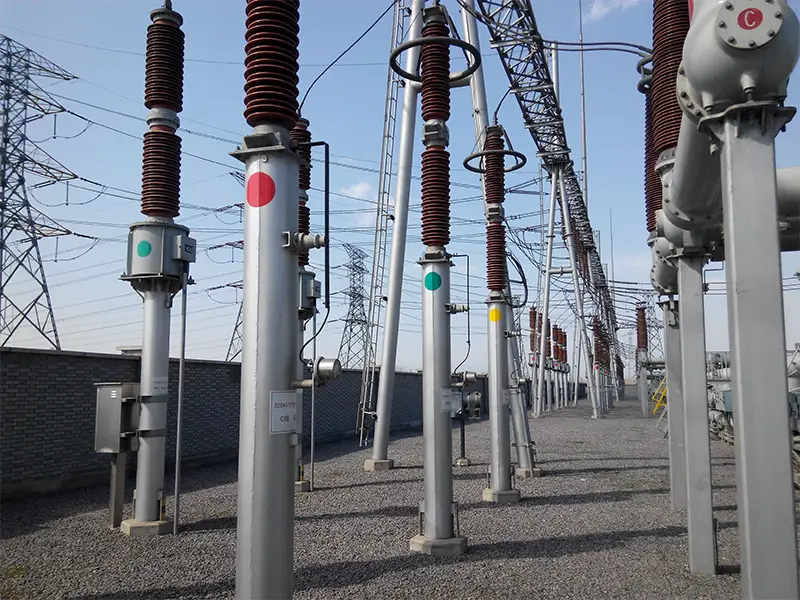
Spring represents the most critical period for grid maintenance. After enduring the trials of extreme winter temperatures, ice overloads, and severe physical stress, power infrastructure within substations is highly susceptible to hidden faults.
With high humidity environments caused by melting spring snow, combined with the impending high-voltage load stress of the summer peak (the “summer peaking” season), conducting a comprehensive and in-depth substation overhaul is imperative to ensure the safe and stable operation of the regional grid.
To efficiently execute diagnostic work during the exceptionally tight schedule of the spring maintenance window, EPC (Engineering, Procurement, and Construction) contractors and grid maintenance teams must rely on high-precision testing equipment capable of operating stably in harsh on-site environments.
Guided by universal international frameworks (IEC/IEEE) and practical field application logic, this guide provides an in-depth analysis of the 5 core testing instruments indispensable for spring substation overhauls, exploring how they precisely tackle seasonal grid vulnerabilities.
Why is Spring the Critical Window for Substation Maintenance?
Electrical equipment exhibits vastly different physical characteristics under varying environmental conditions and temperature gradients. The severe cold of winter causes thermal contraction in metal conductors and insulation structures, highly likely to lead to loose internal connections in transformers or jamming in the mechanical transmission parts of circuit breakers.
The subsequent spring ice melt and rainfall introduce ample moisture. Once this moisture seeps into micro-cracks caused by winter stress, it accelerates the degradation of aging insulation materials, leading to increased dielectric loss and insulation breakdown.
Conducting high-frequency instrument testing during this window serves a dual strategic purpose:
- Damage Assessment and Fault Location: Detecting and addressing physical wear, increased contact resistance, and moisture hazards caused by harsh winter weather.
- Preventive Preparation for the Summer Peak: Ensuring that main transformers and high-voltage switchgear possess sufficient insulation margins and mechanical reliability to withstand extreme summer temperatures (thermal expansion) and full-load operating conditions.
The 5 Core Testing Instruments for Substation Overhauls
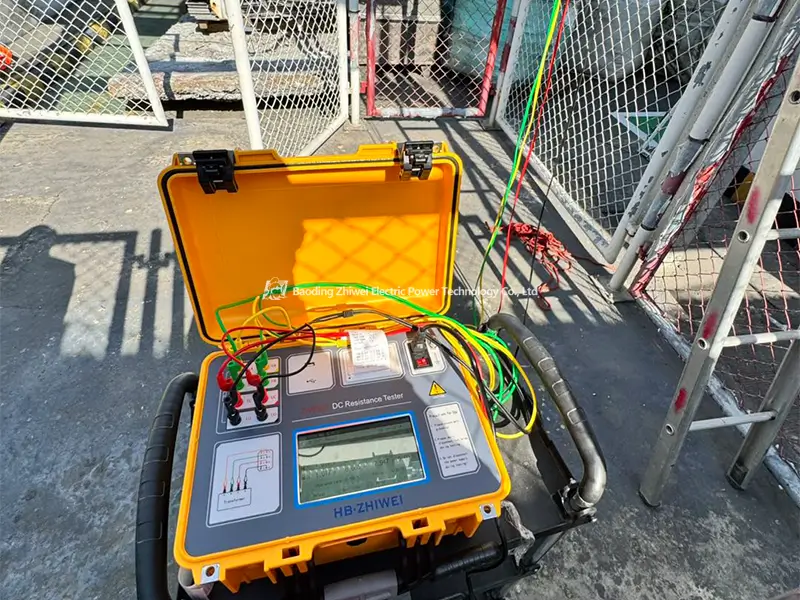
1. Transformer Winding Resistance Tester
Transformers are the heart of a substation. Thermal expansion and contraction under extreme cold conditions can lead to loose connections or contact degradation within transformer windings, lead wires, and on-load tap changers (OLTC).
A DC winding resistance tester measures winding resistance by applying a highly stable direct current. By comparing results with factory baseline data, this test precisely identifies issues such as loose internal joints, broken or disconnected winding strands, and excessive OLTC contact resistance.
For large main transformers, often rated at hundreds of megavolt-amperes, modern high-performance testers must feature high current output (e.g., 10A, 20A, and above), automatic demagnetization, and rapid discharge technology to maximize personnel safety and minimize downtime during the compactly scheduled spring maintenance.
2. Protection Relay Test Set
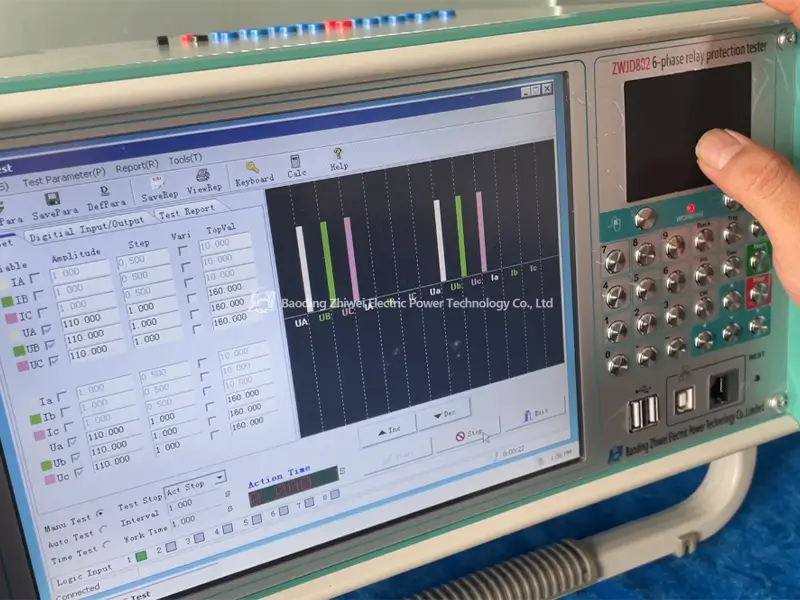
Protection relays act as the “brain” of a substation’s safety mechanism. In the event of a short circuit or ground fault, relays must issue a trip command within milliseconds to isolate the faulted area.
Protection relay test sets simulate various system fault conditions (such as overcurrent, overvoltage, frequency drops, and harmonics) using multiphase, high-precision current and voltage sources to verify the response time and operational logic of protection devices.
During spring maintenance in today’s digital substations, utilizing multiphase microcomputer relay test sets that support the IEC 61850 standard (GOOSE and SMV message transmission) is paramount. Engineers rely not only on the equipment’s hardware precision but also heavily on its built-in automated test templates to accelerate the validation of complex protection networks and reduce human error.
3. High-Voltage Insulation Resistance Tester
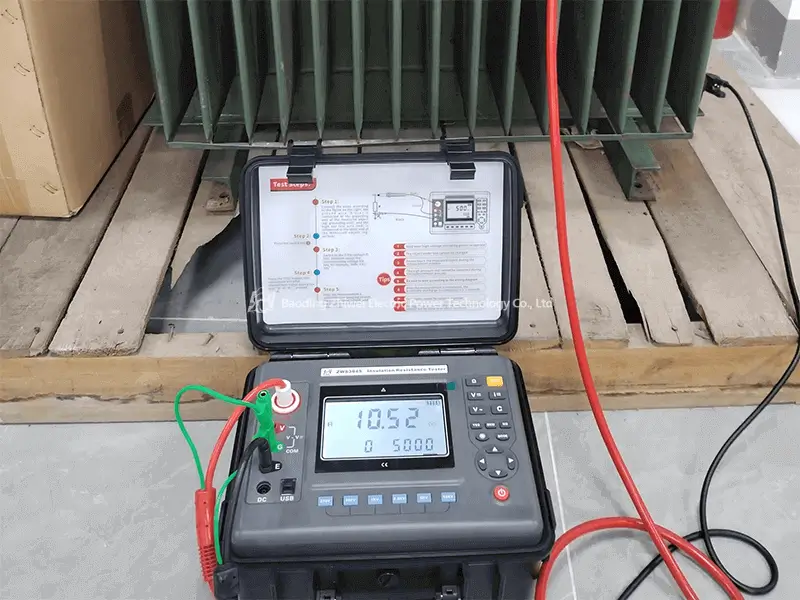
Moisture ingress from melting snow and spring rain is the primary enemy of electrical insulation. Micro-cracks formed by winter freezing on bushing surfaces or sealing gaskets serve as prime conduits for moisture penetration.
These instruments typically operate at 5kV, 10kV, or 15kV. Beyond acquiring a direct insulation resistance reading, the more critical step is calculating the Polarization Index (PI) and the Dielectric Absorption Ratio (DAR).
Let R1min be the insulation resistance after 1 minute of voltage application, and R10min be the insulation resistance after 10 minutes. The Polarization Index can be expressed as:
P=R10min/R1min
These core metrics eliminate interference from temperature and initial leakage current, providing an objective indication of the actual moisture level in cables, transformers, and bushings. To handle large capacitive loads such as high-voltage cables, the instrument must possess a robust short-circuit current output capability (typically required to be >5mA) to ensure rapid voltage buildup and maintain stable readings.
4. Circuit Breaker Analyzer
Circuit breakers may sit idle during normal grid operations, but they must perform perfectly mechanically in the milliseconds following a fault. Lingering effects from harsh winters can cause the grease within mechanical operating mechanisms to thicken and harden, resulting in sluggish opening/closing of the breaker or damper failure.
This analyzer directly captures mechanical operating parameters via sensors: opening/closing times, bounce times, three-phase out-of-synchronism, and travel/overtravel speed curves. Field technicians strictly compare the measured dynamic characteristic curves against Original Equipment Manufacturer (OEM) specifications to accurately determine—prior to the peak summer load—whether mechanical linkages require cleaning and re-lubrication, spring tension adjustment, or the replacement of worn parts.
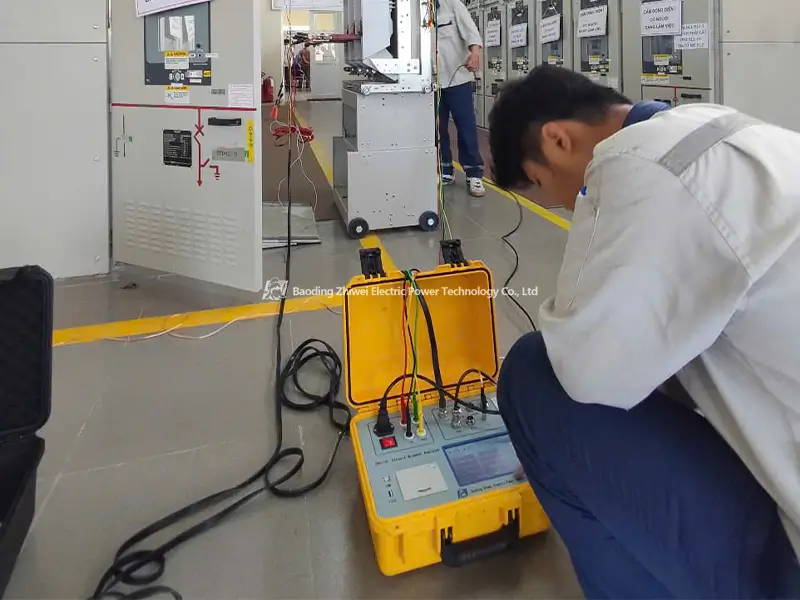
5. CT/PT Analyzer
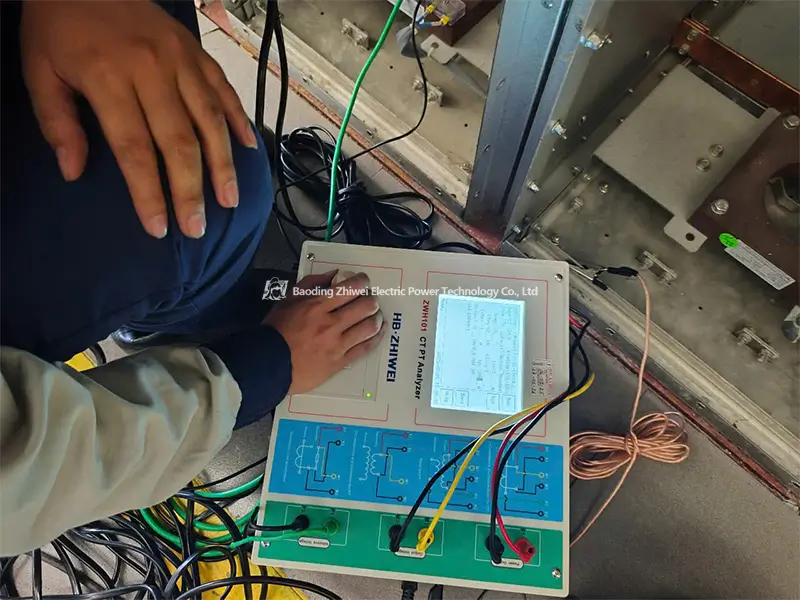
Current Transformers (CT) and Potential Transformers (PT) step down the grid’s high voltage and large currents proportionally to provide precise signals for relays and metering instruments. If core remanence occurs due to high-current surges in winter, or if their accuracy drifts due to environmental stress, the reliability of the entire substation’s protection relay system is significantly compromised.
A fully-featured CT/PT analyzer offers one-stop measurement of ratio, phase angle error, excitation characteristics (V-A characteristics), and secondary burden. Advanced analyzers utilize the low-frequency measurement method to evaluate the instrument’s knee-point voltage. This method eliminates the need for traditional high-power AC voltage regulators, remarkably reducing the equipment’s size and weight and making it exceptionally portable (typically under 10kg)—ideal for technicians rapidly transitioning between different bays within vast substations.
Evaluating Your Equipment Supplier: Assess Comprehensive Strength, Not Just the Product Catalog
The procurement of substation testing instruments must never be treated as a typical commodity transaction of ticking off model numbers on a list. Grid procurement managers and EPC technical directors must deeply evaluate a manufacturer’s underlying technical capabilities to guarantee long-term reliability over the instrument’s decade-long lifecycle.
- Calibration and Traceability: Measurement data is the foundation of all diagnostics. Ensure your manufacturer operates a controlled, high-standard laboratory and that each instrument is calibrated by a rigorous quality control team prior to shipment, accompanied by a calibration certificate traceable to international standards (e.g., ISO/IEC 17025).
- In-house R&D and Firmware Upgrades: Smart grid standards (such as the IEC 61850 architecture) are continually evolving. Your supplier should not merely be a trading company; they must possess an in-house core software and hardware R&D team capable of providing ongoing firmware upgrade services, ensuring digital devices like relay test sets remain continuously compatible with the latest communication protocol versions.
- OEM Capabilities and Customization for Environmental Adaptability: Substations in different global regions have vastly diverse requirements for voltage level standards and equipment ruggedness. Manufacturers with robust supply chain integration capabilities can customize low-level hardware anti-interference interfaces, software operational languages, and even high IP-rated enclosures to suit specific harsh operating environments (such as high altitudes, extreme cold, or heavy salt spray).
Frequently Asked Questions
1. How often should substation test equipment be calibrated?
A: Industry standards and common quality management systems (like ISO 9001) routinely require high-precision test instruments to be calibrated annually. However, if the equipment undergoes severe physical impact during high-intensity spring maintenance or is exposed to extreme weather for prolonged periods, it is strongly recommended to perform a temporary verification test using a known standard source before executing critical diagnostic fault-finding.
2. Can a single instrument test both CTs (Current Transformers) and PTs (Potential Transformers)?
A: Yes. Modern, highly functional comprehensive CT/PT analyzers are highly integrated in terms of both hardware topology and software algorithms, specifically designed to test both types of instrument transformers. This dramatically reduces the number of devices field technicians need to carry, handle, and wire, boosting testing efficiency by at least 30%.
3. When measuring large transformers, what is the optimal short-circuit current for an insulation resistance tester?
A: For large capacitive equipment such as the main insulation of power transformers, bushings, and kilometer-scale high-voltage cross-linked polyethylene (XLPE) cables, it is recommended to use a high-voltage insulation tester with a short-circuit current of at least 5mA (preferably models equipped with adaptive output capabilities). A higher short-circuit current can swiftly overcome the massive capacitive effects of the equipment, rapidly completing the charging process and delivering genuine, stable resistance readings.
4. Are these instruments suitable for environments with high electromagnetic interference within substations?
A: Professional B2B industrial-grade test instruments are inherently designed with advanced hardware filtering and software anti-interference technologies (such as different-frequency anti-interference measurement methods). Even in live substations operating at 500kV or higher, with strong electromagnetic fields (EMF) and radio frequency interference present, they successfully filter out power frequency interference signals, ensuring the absolute precision of the measurement data.
Choose ZHIWEI to Guarantee a Highly Reliable Grid System
Meeting IEC and IEEE standards is merely the baseline requirement for power testing equipment. Maintaining consistent operational stability in severe field environments and beneath intense work schedules is the true technical challenge facing manufacturers.
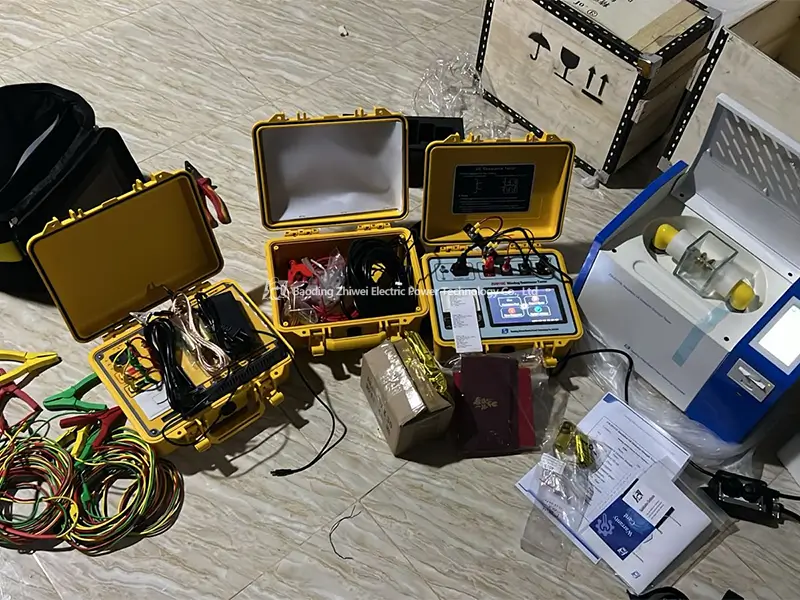
ZHIWEI deeply integrates high measurement precision, rapid field deployment capabilities, and industrial-grade durability into our product design. We provide a comprehensive suite of testing solutions, encompassing fully automated dual-channel DC winding resistance testers, microcomputer protection relay test sets supporting the latest digital communication protocols, and high-voltage insulation testers with superior anti-interference capabilities. All equipment is backed by rigorous quality control and highly efficient technical support services.
Accurate data and stable test equipment are prerequisites for completing diagnostic tasks on schedule. Avoid letting equipment breakdowns or data errors delay your project delivery deadlines.
Contact the ZHIWEI technical team today to obtain a tailored equipment selection plan for your project. Comprehensively upgrade your substation testing instrument lineup to ensure your electrical assets remain safe and stable during the approaching summer high-load operational period.